


Five LSU Researchers Included in Clarivate’s Highly Cited Researchers of 2025
December 08, 2025
Five LSU researchers are included in Clarivate’s list of Highly Cited Researchers of 2025. Clarivate is a trusted provider of academic impact insights, leveraged by various institutions, including the Association of American Universities (AAU), to collect citation metrics.
Clarivate’s 2025 list comprises 7,131 researchers worldwide who have demonstrated significant and broad influence in their field(s) of research, based on citations of their published papers and expert judgement of their research impact.
Each of these researchers has authored multiple Web of Science Core Collection highly cited papers that rank in the top 1% of papers in their field.
“Through rigorous selection criteria and comprehensive analysis, we recognize researchers whose exceptional and community-wide contributions shape the future of science, technology and academia globally.” – Highly Cited Researchers 2025 Analysis, Clarivate
Learn about each of LSU’s Highly Cited Researchers of 2025 below.
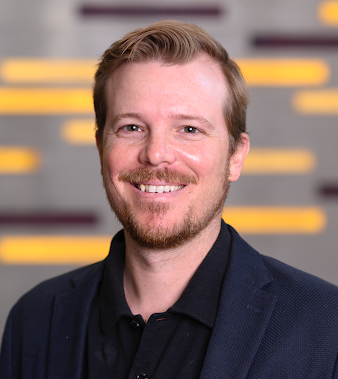
Aaron Bivins,
Environment and Ecology
Aaron Bivins is an assistant professor in the Department of Civil and Environmental Engineering in the LSU College of Engineering. He is a 2025 Highly Cited Researcher in Environment and Ecology, joining 239 researchers awarded in this field. His research papers have been cited more than 3,300 times. Some of his most highly cited papers focus on surveillance and evaluation of the persistence of SARS-CoV-2 and other viruses in water and wastewater.
What is the contribution to science/research you are most proud of?
“During the COVID-19 pandemic, environmental engineers took a lead role in establishing the relevance and reliability of wastewater-based epidemiology as a non-invasive way of tracking COVID-19 in communities. I led and contributed to numerous publications on this topic while working tirelessly for over two years in response to the pandemic. Through our work, this approach to disease surveillance is continuing to gain traction as a game changer for community-level surveillance of both communicable and non-communicable diseases.”
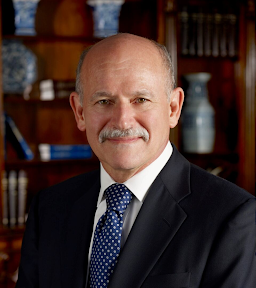
Steven Heymsfield,
Cross-Field
Steven Heymsfield is a Boyd Professor and professor of Metabolism & Body Composition at Pennington Biomedical Research Center, LSU. He has published over 1,400 publications that have been cited more than 86,000 times. His most cited paper, “Epidemiology of sarcopenia among the elderly in New Mexico,” published in the American Journal of Epidemiology, has been cited more than 2,900 times.
Heymsfield joins 3,569 other researchers recognized by Clarivate in the Cross-Field area.
What is the contribution to science/research you are most proud of?
“With my colleagues, I laid the foundation for the modern study of body composition in humans that continues to evolve today. That foundation is now part of the study of conditions such as malnutrition, obesity, cachexia, and sarcopenia (age-related muscle function and mass decline).”
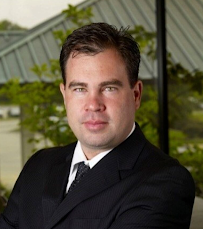
Peter Katzmarzyk,
Clinical Medicine
Peter Katzmarzyk is Associate Executive Director for Population and Public Health Sciences and Marie Edana Corcoran Endowed Chair in Pediatric Obesity and Diabetes at Pennington Biomedical Research Center, LSU. He has over 870 publications that have been cited more than 81,000 times. Katzmarzyk has published highly impactful research on the benefits of physical activity and the harms of physical inactivity on life expectancy and diseases of aging.
Katzmarzyk joins 379 other researchers recognized by Clarivate in the field of Clinical Medicine.
What is the contribution to science/research you are most proud of?
“I am proud to have led the team that conducted the Promoting Successful Weight Loss in Primary Care in Louisiana (PROPEL) trial in collaboration with colleagues from across the state. The study showed that clinically significant weight loss is achievable among low-income patients in primary care settings. Moreover, significant weight loss was maintained up to 2 years and beyond in a large number of patients.”
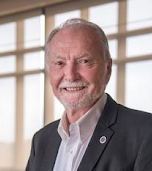
Eric Ravussin,
Cross-Field
Eric Ravussin is a Boyd Professor and Douglas L. Gordon Chair in Diabetes and Metabolism at Pennington Biomedical Research Center, LSU. He has published over 870 papers, which have been cited more than 65,000 times. His paper, “Definition and diagnostic criteria of clinical obesity,” published in Lancet, has been cited more than 7,200 times.
Ravussin joins 3,569 other researchers recognized by Clarivate in the Cross-Field area.
What is the contribution to science/research you are most proud of?
“Over my more than 45 years in science, I’ve focused on understanding the biological and molecular pathways that lead to positive energy balance and, ultimately, obesity in people who are genetically predisposed. But what I’m most proud of isn’t the research itself—it’s the privilege of mentoring more than 65 postdoctoral fellows and watching their careers and scientific contributions flourish over the years.”
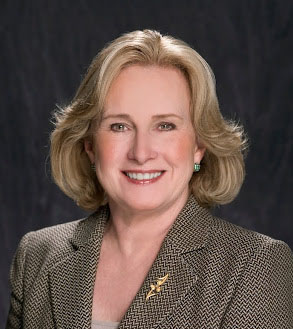
Donna Ryan,
Cross-Field
Donna Ryan is a Professor Emeritus at Pennington Biomedical Research Center, LSU. She has published 687 publications, cited more than 38,000 times, on the benefits of lifestyle interventions for type 2 diabetes. She has also conducted research comparing obesity surgery and other approaches for morbid obesity, including diet.
Ryan joins 3,569 other researchers recognized by Clarivate in the Cross-Field area.
What is the contribution to science/research you are most proud of?
“Research is a team sport. I was co-chair of the Steering Committee for SELECT, a study with 17,604 volunteers that demonstrated that semaglutide, a GLP-1 Receptor targeted medication, could reduce heart attack, stroke, and cardiac deaths in people with obesity and without diabetes. This study was the beginning of our modern understanding that the GLP-1 medications are much more than just weight loss agents; they are chronic disease modifying agents. We believe these medications can transform public health in the 21st century.”
Discover stories showcasing LSU’s academic excellence, innovation, culture, and impact
across Louisiana.Next Step